What makes
a woman
a witch?
Someone falls ill. A neighbour makes an accusation. A child sees something no one else can see, or a woman claims to know the future. A person falls into a fit, speaks with another voice, or believes that something has entered their body.
In early modern England, experiences such as these could become stories of witchcraft, possession, prophecy; they could be seen as illness, or divine or diabolical intervention. They might be discussed in a household, repeated in a village, investigated by a magistrate, or preserved in print. Witching follows the people and processes through which those experiences entered the historical record.
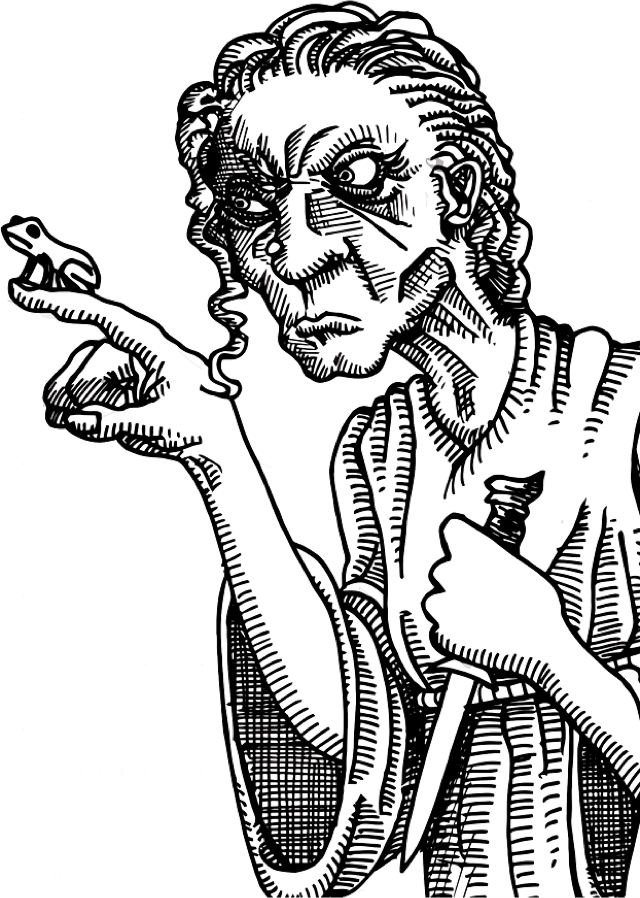
Each entry in Witching is a fragment of the historical record held at the smallest scale the evidence allows. A woman’s name, a creature that came to her hearth, a magistrate, a statute, a parish. Read one and you have an anecdote; read across almost three thousand and you begin to see how a neighbourhood quarrel could become a capital crime.
The Devil is in the Details


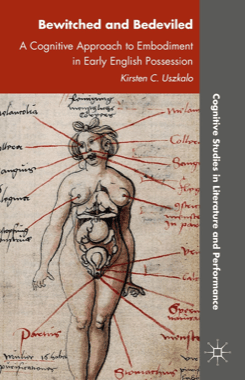
Bewitched and Bedeviled
Narratives of possession survive in early English medical and philosophical treatises. Drawing on ideas from cognitive science, this study follows the stages of possession and exorcism to examine how social, religious, and medical understandings were internalized, producing the varied manifestations of demonic possession in early modern England.
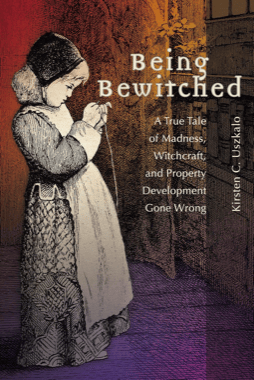
Being Bewitched
In 1622, thirteen-year-old Elizabeth Jennings fell strangely ill. When doctors’ treatments proved useless, her family began to suspect that the child had been bewitched. Their suspicions appeared to be confirmed when Elizabeth accused their neighbour Margaret Russell of witchcraft. In the events that followed, accusations of witchcraft became entangled with family rivalries, property disputes, and a web of supernatural beliefs.